Printable Pet First-Aid Cheat Sheet for Emergencies
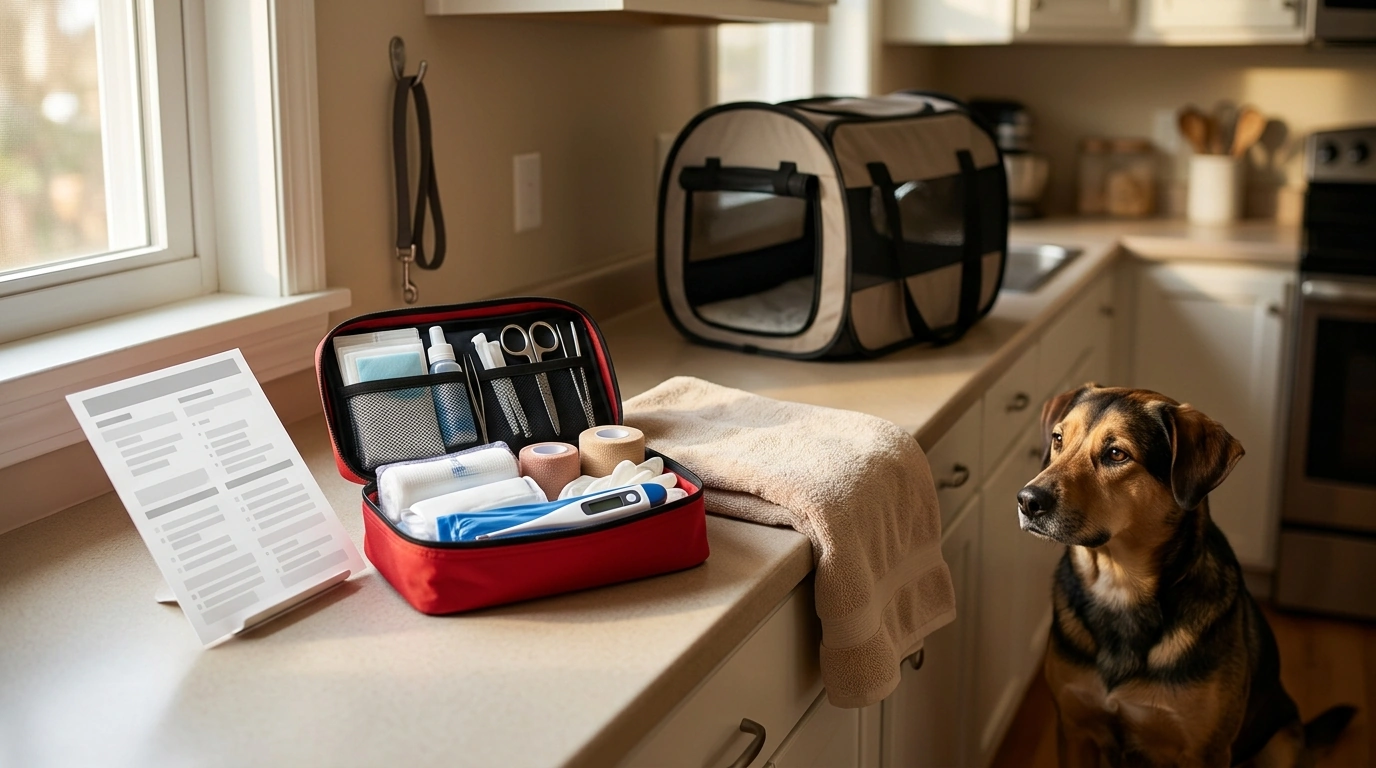
Must-Know Pet First-Aid Cheat Sheet: A Printable Emergency Guide for Calm, Fast Decisions
Pet emergencies move fast. Choking, poisoning, heatstroke, bleeding, or sudden collapse can happen at home, on a walk, or mid-road-trip. In the first critical minutes, a clear, printable pet first-aid cheat sheet helps you act safely, avoid common mistakes, and recognize when it’s time to get to a veterinarian immediately.
What a pet first-aid cheat sheet is (and what it isn’t)
A pet first-aid cheat sheet is a quick-reference tool for the first few minutes of common emergencies—what to look for, what to do next, and what to avoid when adrenaline is high. It’s designed to support safer, more confident decisions with step-by-step actions, red flags, and reminders to call your veterinarian or an emergency clinic.
It is not a substitute for veterinary diagnosis or treatment. Think of it as a bridge that helps you protect your pet while you arrange professional care. It works best when paired with a stocked first-aid kit and emergency phone numbers that are already saved and labeled.
Set up your emergency plan in 10 minutes
Preparation is what turns panic into a plan. A few small steps now can save precious time later.
- Post one printed copy where it’s easy to see: fridge, pantry door, inside a pet travel bag, or near your leash station.
- Save and label key contacts: primary veterinarian, nearest 24/7 ER vet, animal poison control, and a local taxi/pet-friendly rideshare option.
- Build a “grab-and-go” kit: gauze, non-stick pads, vet wrap, antiseptic wipes, saline, a digital thermometer, blunt scissors, tweezers, flashlight, disposable gloves, and soft muzzling material.
- Plan safe transport: a towel/blanket as a stretcher, a crate/carrier, and a way to keep a frightened pet from bolting.
- Practice once: applying direct pressure to a wound, checking gum color, and counting resting respiratory rate.
Emergency readiness checklist
| Task | Where to keep it | Why it matters |
|---|---|---|
| Printed cheat sheet | Fridge + travel bag | Fast reference when stress is high |
| Emergency contacts list | Phone + printed copy | Saves time during urgent calls |
| First-aid kit | Same spot every time | Avoids scrambling for supplies |
| Carrier/crate ready | Accessible closet/entryway | Safe transport to the clinic |
| Recent pet info | Vaccines, meds, allergies | Helps vets treat faster and safer |
Immediate safety steps before touching your pet
Before you reach for your pet, take a two-second pause to protect yourself and prevent the situation from getting worse.
- Scan the scene first: traffic, broken glass, aggressive animals, chemicals, open water, or heat hazards.
- Assume pain can trigger biting, even in gentle pets. Use a towel wrap or soft muzzle only if breathing is normal and there is no vomiting.
- Move the pet only if necessary. If there was a fall, hit-by-car incident, or sudden weakness/paralysis, stabilize the neck/back as you lift.
- Call ahead if you can. Emergency clinics may coach you and prep equipment before you arrive.
Life-threatening signs that mean “go now”
These signs warrant immediate veterinary care (or emergency transport while someone calls en route):
- Trouble breathing: open-mouth breathing in cats, blue/gray gums, wheezing, or gasping.
- Uncontrolled bleeding or bandages that soak through quickly.
- Collapse, unresponsiveness, a seizure lasting longer than 2–3 minutes, or repeated seizures.
- Suspected poisoning: medications, toxic plants, rodent bait, chocolate, xylitol, antifreeze, pesticides, or unknown substances.
- Severe bloat signs (especially in large dogs): distended abdomen, unproductive retching, and restlessness.
- Heatstroke signs: heavy panting, bright red gums, vomiting, wobbling, or collapse.
For additional first-aid guidance, see the American Veterinary Medical Association (AVMA) first-aid tips and the ASPCA Animal Poison Control resources.
Fast actions for common emergencies (what to do and what to avoid)
Choking
If your pet is gagging or pawing at the mouth, keep your hands safe. If breathing is severely compromised, head to an emergency clinic immediately. Avoid a blind finger sweep—objects can be pushed deeper or you can be bitten.
Bleeding
Apply firm, direct pressure with gauze or a clean cloth. If blood soaks through, layer more cloth on top rather than removing the first layer (removing can disrupt clotting). Keep pressure steady until you reach care.
Burns
Flush with cool (not icy) running water. Avoid creams or ointments unless a veterinarian advises; some products trap heat or contaminate the wound.
Poisoning
Seizures
Heat stress
Vitals that help a veterinarian triage faster
The American Red Cross pet first-aid overview is a helpful refresher for basic concepts like wound care and emergency readiness.
Make the printable guide work for your household
Printable cheat sheet recommendation
- Must-Know Pet First-Aid Cheat Sheet (Printable Emergency Guide) for a quick-reference emergency page you can post at home and keep in a travel bag.
- Cat Body Language & Behavior Cheat Sheet to help spot stress signals sooner (useful for preventing bites, bolting, or escalation when your cat is scared).
- Feeding Your New Kitten Right (Essential Kitten Nutrition eBook) for households raising kittens—good nutrition and routines can reduce preventable stomach upsets and support healthy growth.
FAQ
Should vomiting be induced if a pet eats something toxic?
Often no. Some toxins (like caustic chemicals, petroleum products, or sharp objects) can cause more harm if vomited. Call a veterinarian or animal poison control immediately and follow instructions based on the substance, timing, and symptoms.
What are the most urgent signs that mean an ER vet visit is needed right away?
Trouble breathing, collapse/unresponsiveness, uncontrolled bleeding, repeated or prolonged seizures, suspected poisoning, severe abdominal distension with retching, and signs of heatstroke are all reasons to go immediately.
How can a printable cheat sheet help during an emergency?
It gives quick steps and reminders under stress, helps avoid common mistakes (like unsafe mouth sweeps or unadvised vomiting), and keeps key phone numbers and transport steps in one visible place.












Leave a comment